

A Broadway Valhalla
On Lincoln, an Antigua Bookstore, and Learning to Shoot on Film

The cobblestone streets of Antigua, Guatemala, will always fill me with wonder. Beginning January 2013, I spent two and a half months in the old capital learning Spanish. My godbrother picked me up at the tiny local airport and took me to his father’s school next to the ruins of San Jose El Viejo, a baroque church constructed in 1740. The earthquake of 1751 damaged it and many other buildings in Santiago de los Caballeros de Guatemala (Antigua). First, we stopped for crepes.
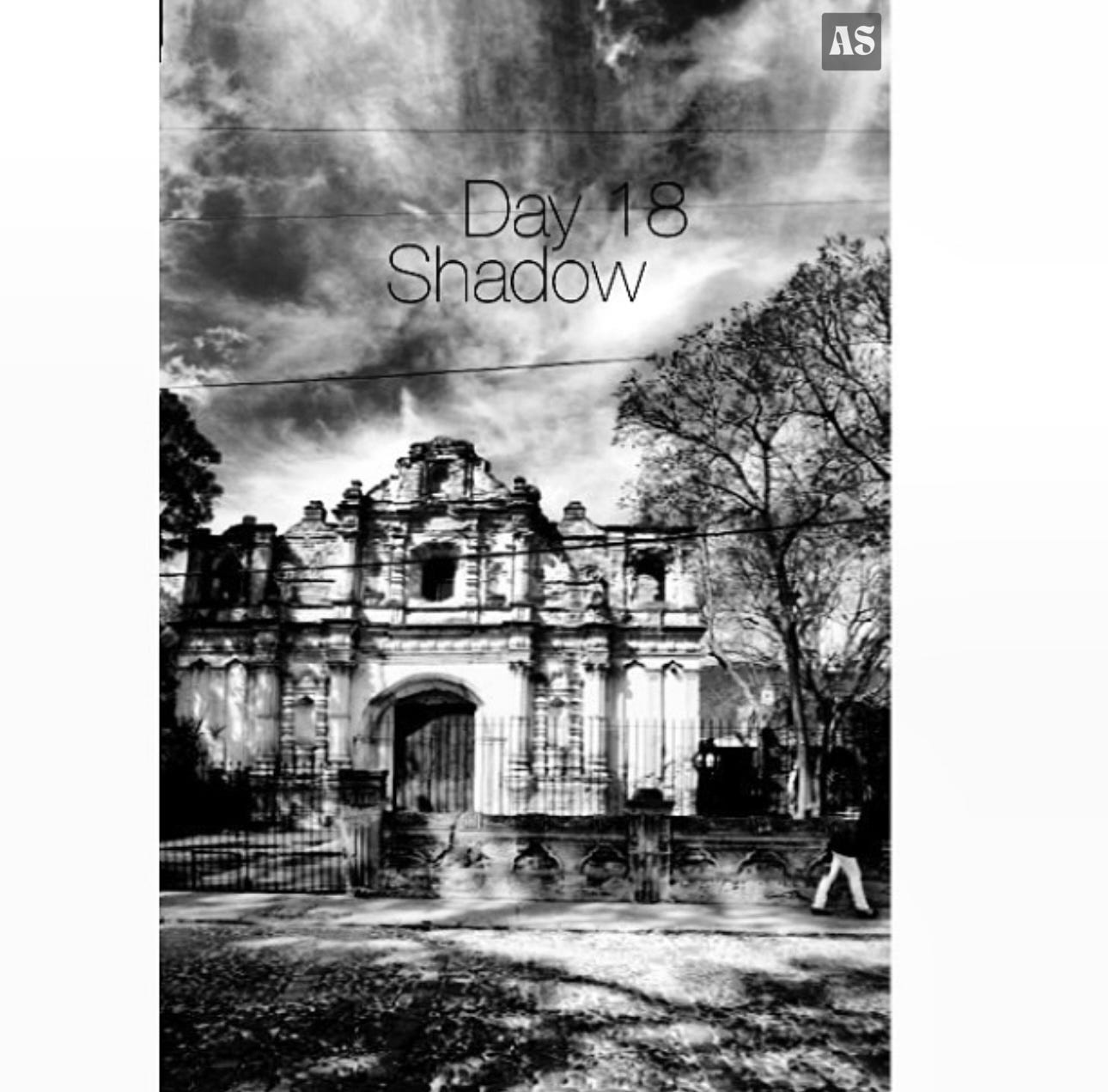
While I knew him, my Padrino, and my Spanish teacher, I spent most days on my own. I was armed with a first generation iPhone (the version without a camera), my iPod nano, and the Canon EOS Rebel T3i. Part of my excitement for my chapter in Guatemala was capturing it.
I had committed myself to an Instagram photo of the day challenge for 30 days. The goal was to capture a photo each day that aligned with the theme proposed by the challenge founder. I hashtagged everything in true 2013 fashion, and watched as the algorithm absorbed my photo and placed it alongside others participating in the challenge.


One day in the first few weeks there, my godbrother invited me to drinks with his friends at a rooftop. I imagine our fathers planned this, as I, nine months out of high school, pretty much kept to myself.
On our way back, I suggested we stop at a bookstore. The stone building had a small door. The room smelled of old paper and humidity. The collections curved around the single room and filled a table in the middle. I couldn’t resist an old copy of Les Misérables, a book on philosophy, and Harold Holzer’s Lincoln at Cooper Union: The Speech That Made Abraham Lincoln President. (I posted an image of the book for the photo challenge theme “guilty pleasure.”) Within days, I’d devoured the text. Each chapter set the stage for Lincoln’s speech at Cooper Union, including his visit to Matthew Brady’s photography studio.

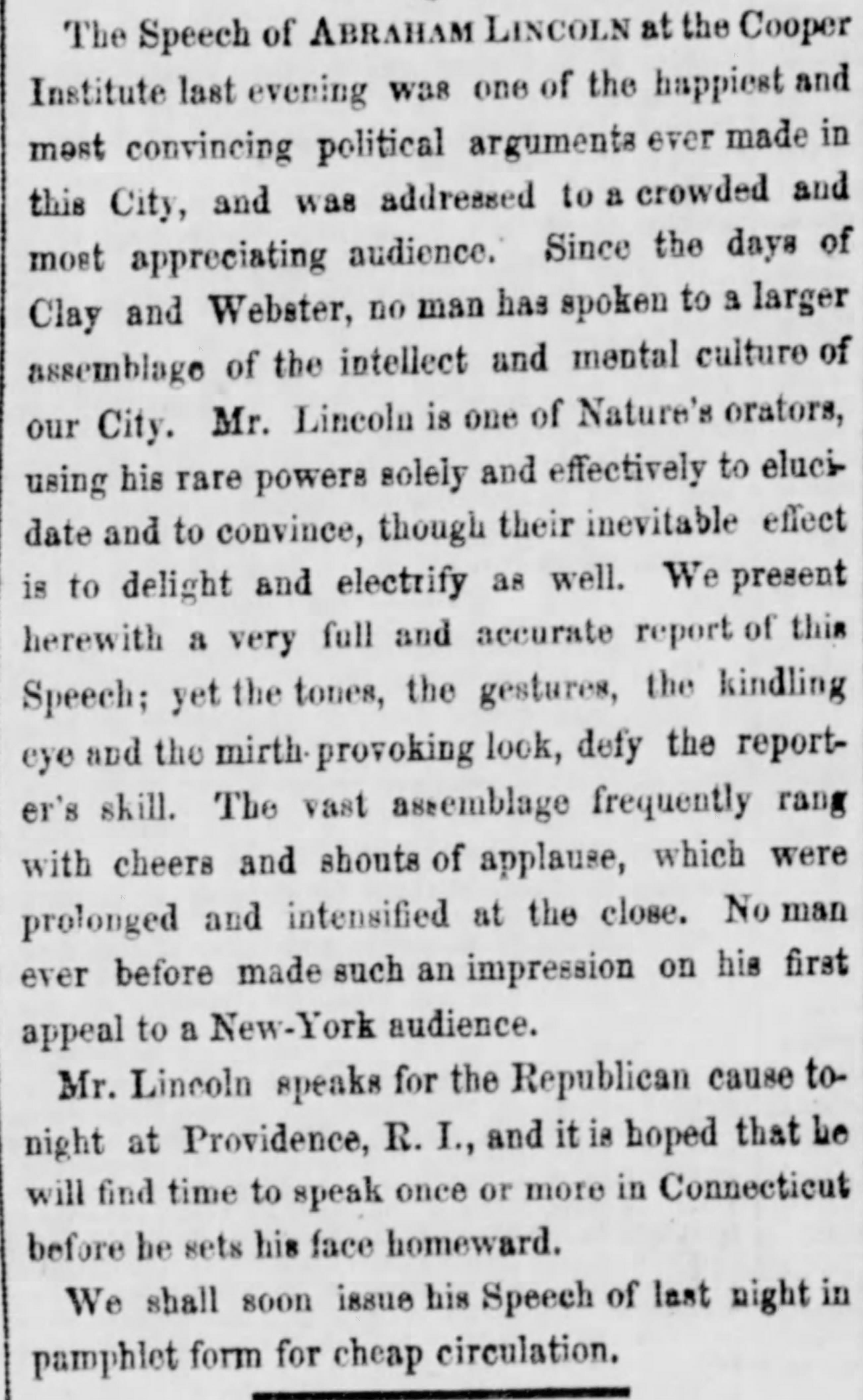
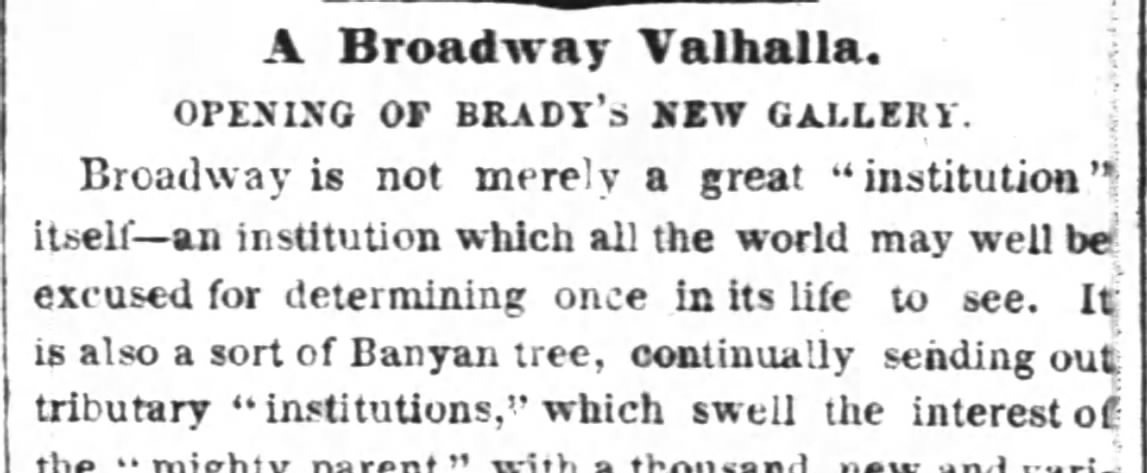
The image on the book’s front cover was taken at the gallery of Matthew B. Brady in 1860. The nineteenth-century photographer made a name for himself by capturing high-profile figures at his New York City photography studio and Civil War era scenes. He became so well known that his gallery became known as the “National Portrait Gallery” and an October 1860 article in the New York Times called it “A Broadway Valhalla.” Brady’s presence in Holzer’s story suggests this pre-speech photograph as a brilliant media strategy and political technology that worked in Lincoln’s favor.
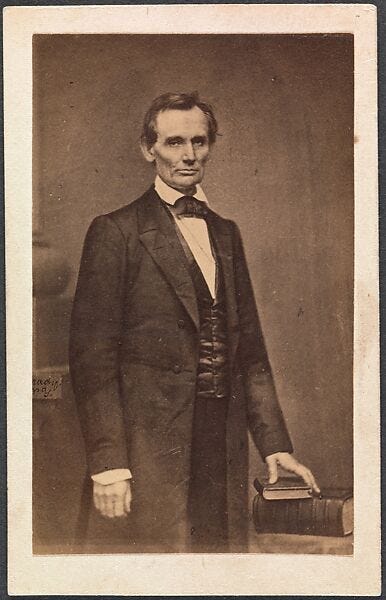
In the image, Lincoln stands straight in a long coat. His left hand is perched on two books. Slightly angled towards the camera, Lincoln’s face stares directly into Brady’s lens. Lincoln posed for the photograph in Brady’s gallery on Broadway and Tenth Street, near where he would give his address at Cooper Institute (now the Cooper Union for the Advancement of Science and Art.)
Of the Cooper Institute speech, Holzer wrote, “The speaker appeared decidedly ‘ill at ease.’ Yet the power of his words and the earnestness of his delivery quickly converted doubters in the crowd, at the high watermark of a vanished era in which one major speech could make or break a rising leader. When Lincoln finished his carefully prepared address, the audience rose and cheered wildly.” (See History Now, Issue 6 (Winter 2005) “Lincoln at Cooper Union” by Harold Holzer.)
The narrative of Holzer’s Cooper Union analysis struck a chord in me. His next book came out on my birthday a few years later (Lincoln and the Power of the Press) and I interpreted it as a divine gift.
Over the next few months and years, I would feed my Lincoln curiosity. It became so all-consuming in my undergraduate years that my advisor said I had to stop writing my final papers on him. “Pick something else,” she all but demanded.
I did, but I never stopped thinking about the Cooper Union book, or the power of a sharp-witted photographer, or the way Lincoln’s hands rested on the stack of books.
About a year ago, I started spending more time consuming film photography and glass plate content.
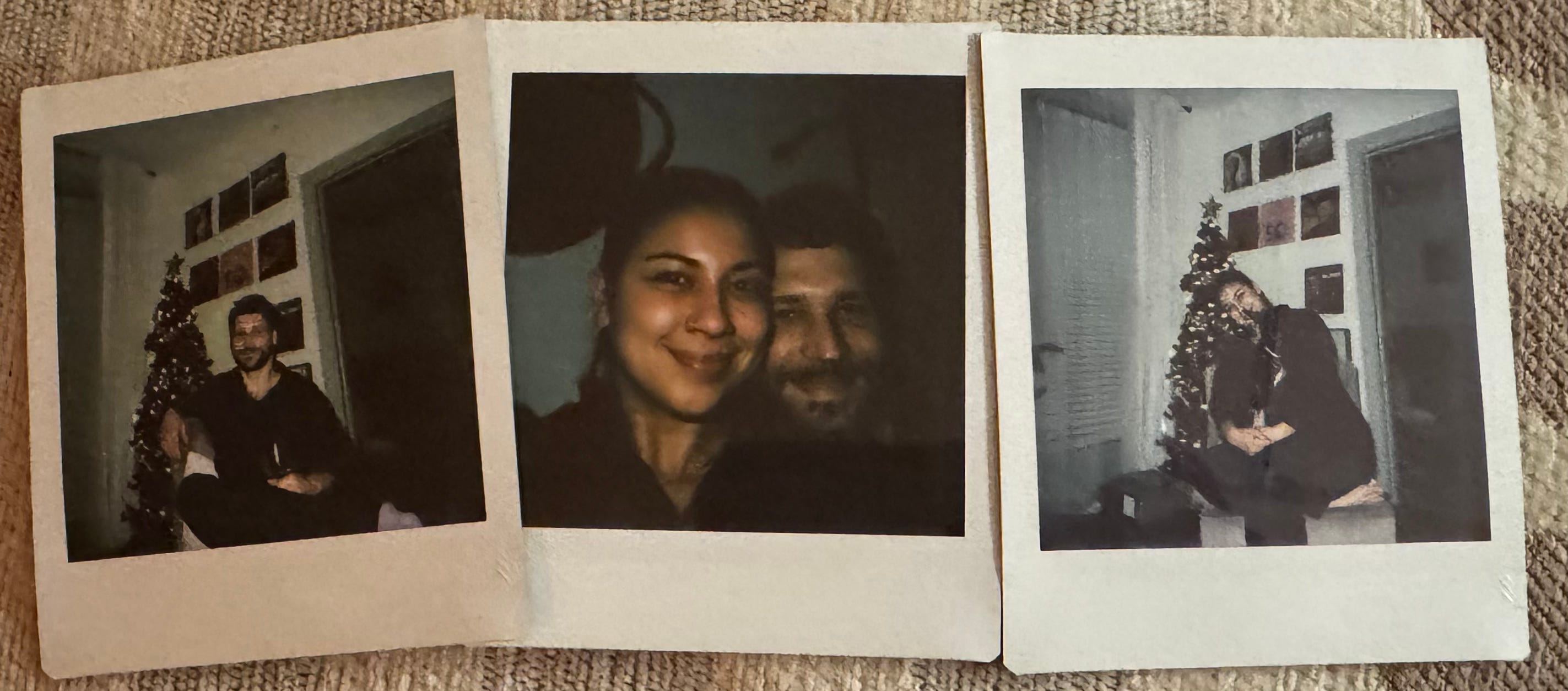
In December, my partner got me an Instax camera because I’d said in passing I wanted to get back into photography. In January, I spent $100 on a Canon FTb QL from Facebook Marketplace. I met the previous owner in the parking lot of an Austin brunch place.
The handoff was smooth, and I couldn’t help grin from ear to ear at the potential of this mechanical box to restart my camera obsession. The 35mm camera came with the standard nifty 50 lens that seemed dusty. Surprisingly, the light meter worked without having to replace the battery. Canon launched this specific model in 1971 so I had little hope this one would work seamlessly.
I set out to apply the very basic skills that I learned in my college Digital Photography class, where the class learned basic ISO, shutter speed, and other controls that could easily be overridden with the “AUTO” feature. What I’m saying is, I didn’t learn enough to be confident to shoot fully manually.
Before taking any photos, I read the FTb’s manual, watched countless videos, and spent some time reading if this was even a camera I could use. My delusional optimism sometimes leads me to places like this. Of course it will all work out for me.
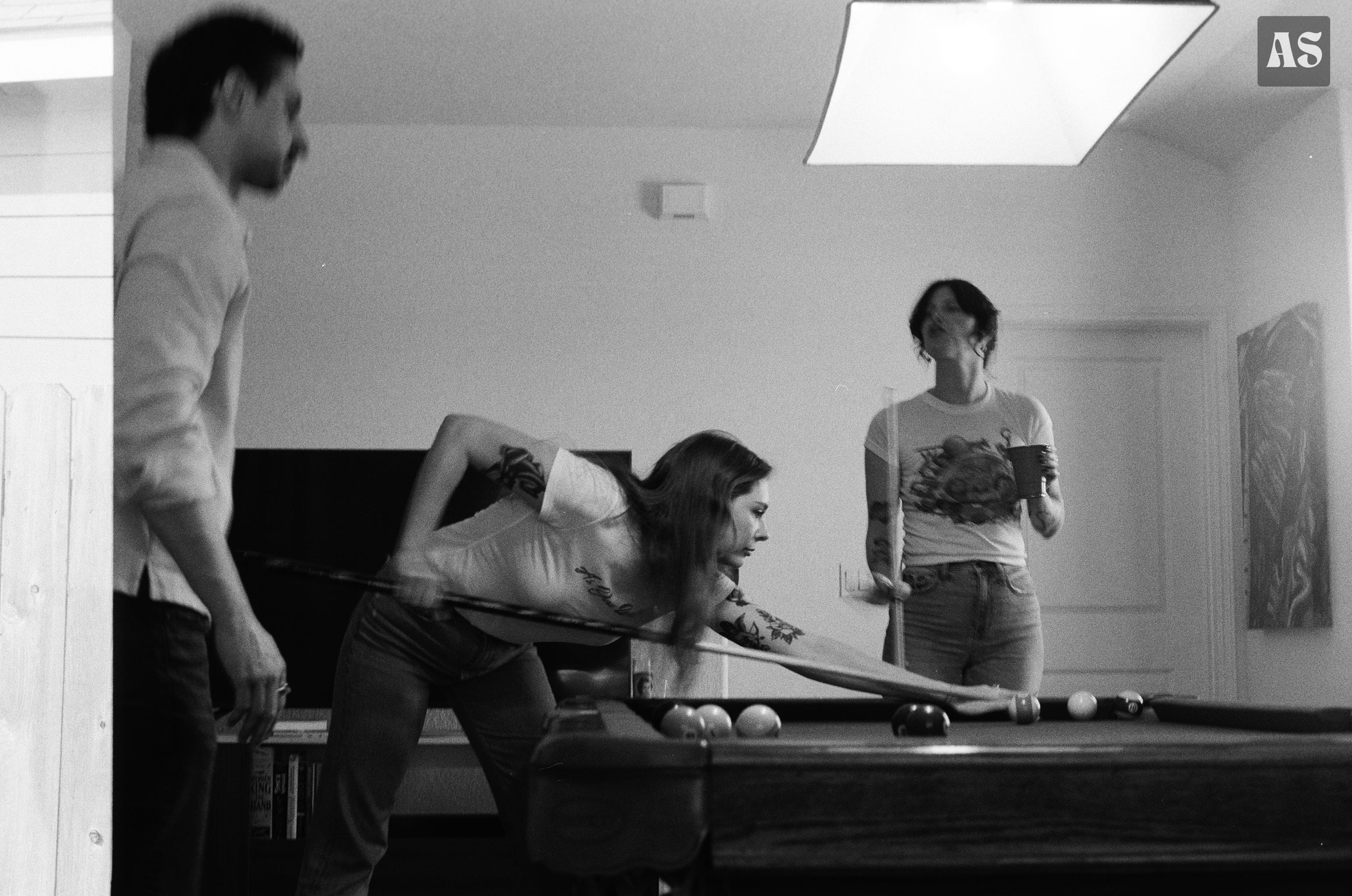
TikTok recommended a film lab in Florida called Reformed Film Lab and a few days later I ordered one roll of color film (Candido ISO 200) and another in Black and White (Kentmere ISO 400). My strategy for shooting was setting the appropriate ISO and then using a light meter on my iPhone to cross check the camera's built-in meter.
The roll of color film was completely ruined. (At some point half way through the roll, the back of the camera opened in my purse, exposing the roll to light and royally f*cking it.) The black and white roll was mostly developed, with a few frames empty, and another, quadruple exposed.
Developing film feels like personal archiving. My friend group has seen quite a few people leave Austin for hometowns or new futures in the last few years. For myself and my partner, we’re not sure how much longer we’ll spend in the city that brought us together. For now, capturing these moments - little moments that ripple outward - feels like doing this city and the people who have cared for me so well justice.
Onward to Broadway Valhalla.
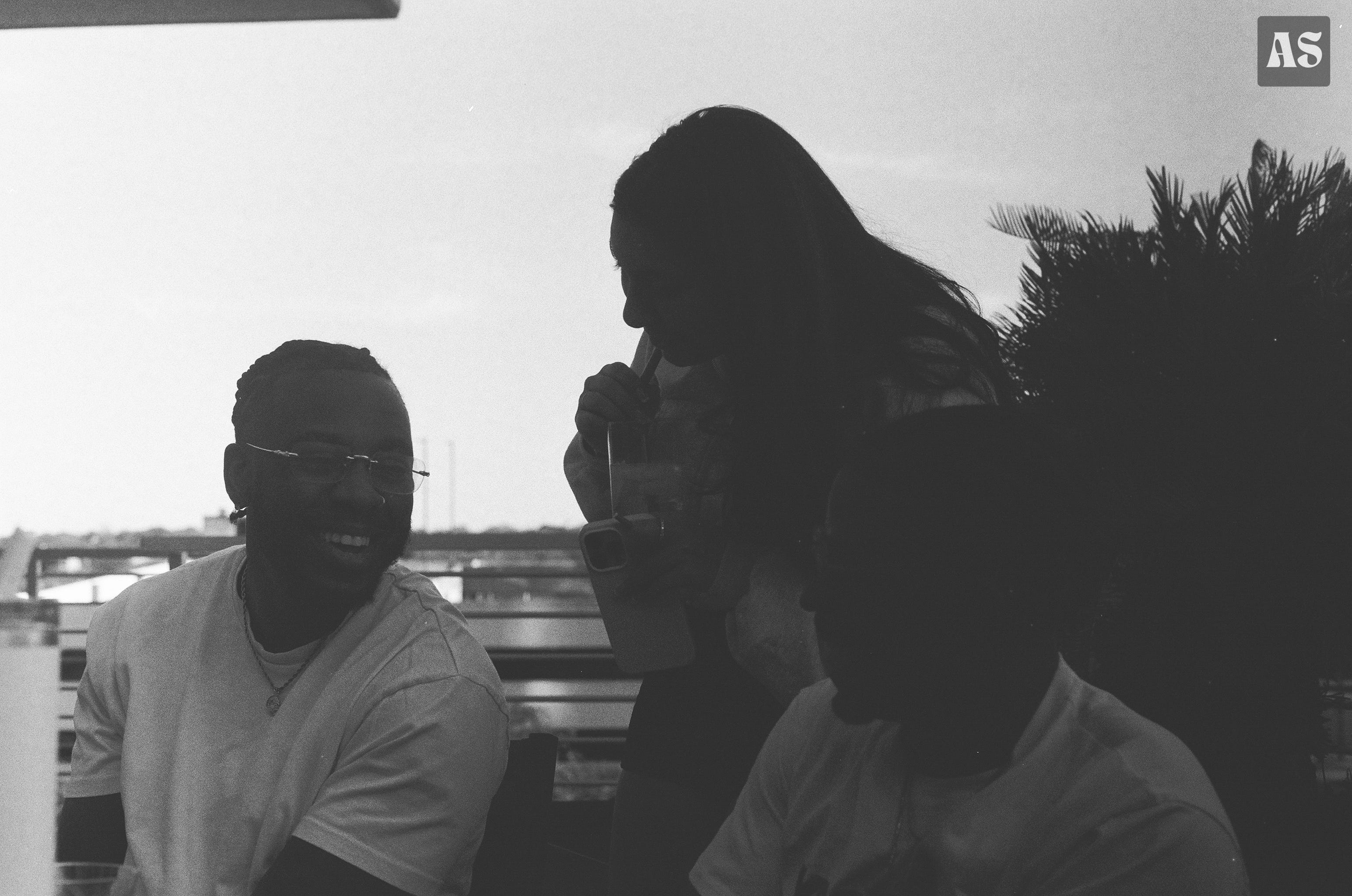
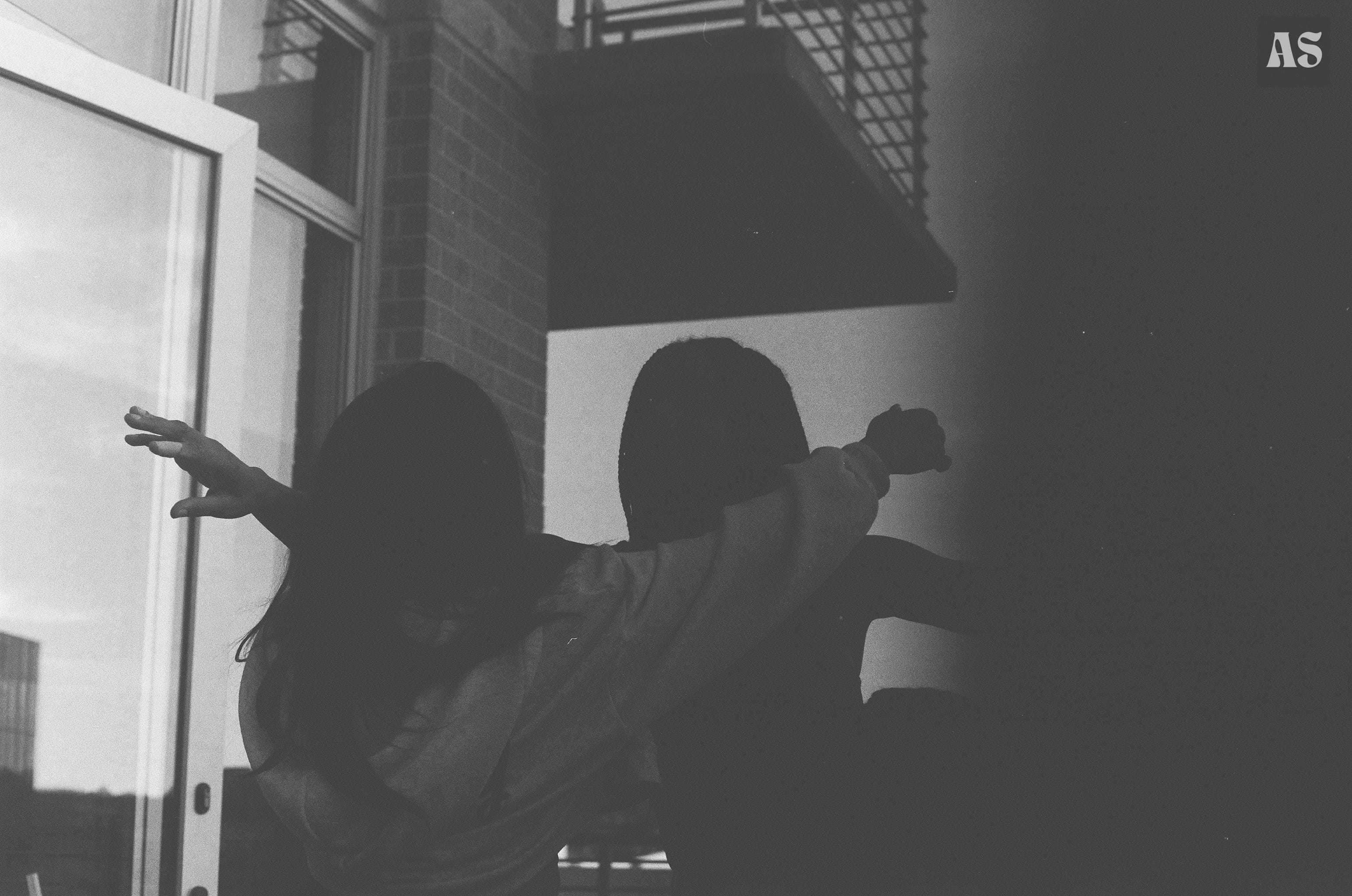
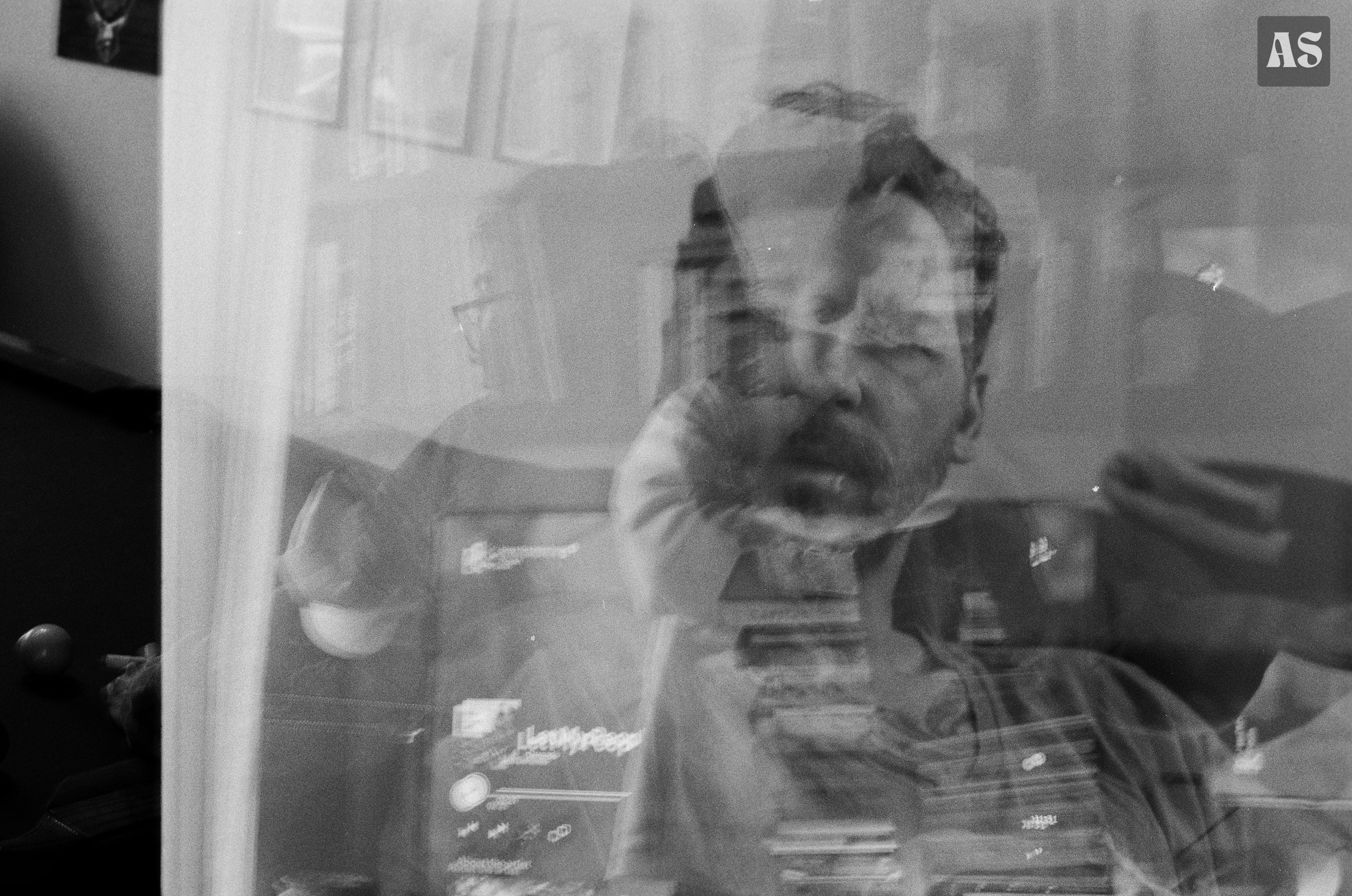
More images are up on my instagram @alinascott