This Week in Academe: Environmental History Needs to Touch Grass, Church Records & the Frankfurt School
September 26 - October 5

Last week marked my transition away from industry work with LLMs and back into academia full-time. This newsletter is one way I’m keeping track of the conversations shaping my field and adjacent ones. Here are a few highlights from this week’s talks and workshops across the historical disciplines.
environmental history needs to touch grass
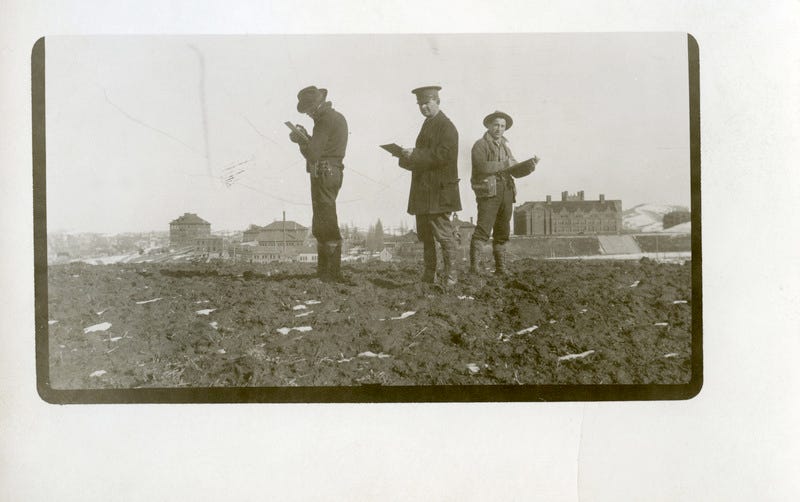
September 26 – I attended a workshop/roundtable on the state of environmental history, watching from the (relatively) safe distance of Zoom. Graduate students posed questions, and faculty responded from the standpoint of their own specializations.
Environmental history, the speakers reminded us, grew out of the environmental movement of the 1970s. When asked simply how they got started, answers varied: one scholar said, “I’ve been doing this since the ’70s,” while my PhD advisor traced a trajectory from curious graduate student to faculty member, recalling drives past Glen Canyon Dam on the way to archival research, a landscape that later informed a subsequent book project.
CJ Alvarez, who I interviewed a few years ago for the history department’s podcast, said in both jest and earnest, “I went outside.” (It reminded me of the internet’s now-popular injunction to “touch grass”- a shorthand for getting out of one’s head and back into the world.) It was a useful reminder to ground historical questions in the material world: fieldwork and archival work are complementary, not opposites.
Further reading:
Frankfurt school of thought
September 29 – A. Dirk Moses, accomplished writer, historian, and editor of the Journal of Genocide Research, met with scholars from across UT’s scholarly network to discuss a work in progress. The event was titled “The Frankfurt School of Critical Theory and the Middle East” by A. Dirk Moses, City College of New York.” Because the discussed work is unpublished, much of what was discussed will have to stay in the room.
For this newsletter, however, here is what I learned: history is made daily, and cultural memory is not relegated to the past. By examining key figures of the Frankfurt School of Critical Theory, Moses explores their intent and how public sentiment continues to evolve well past the writers’ goals.
Further reading:
church records
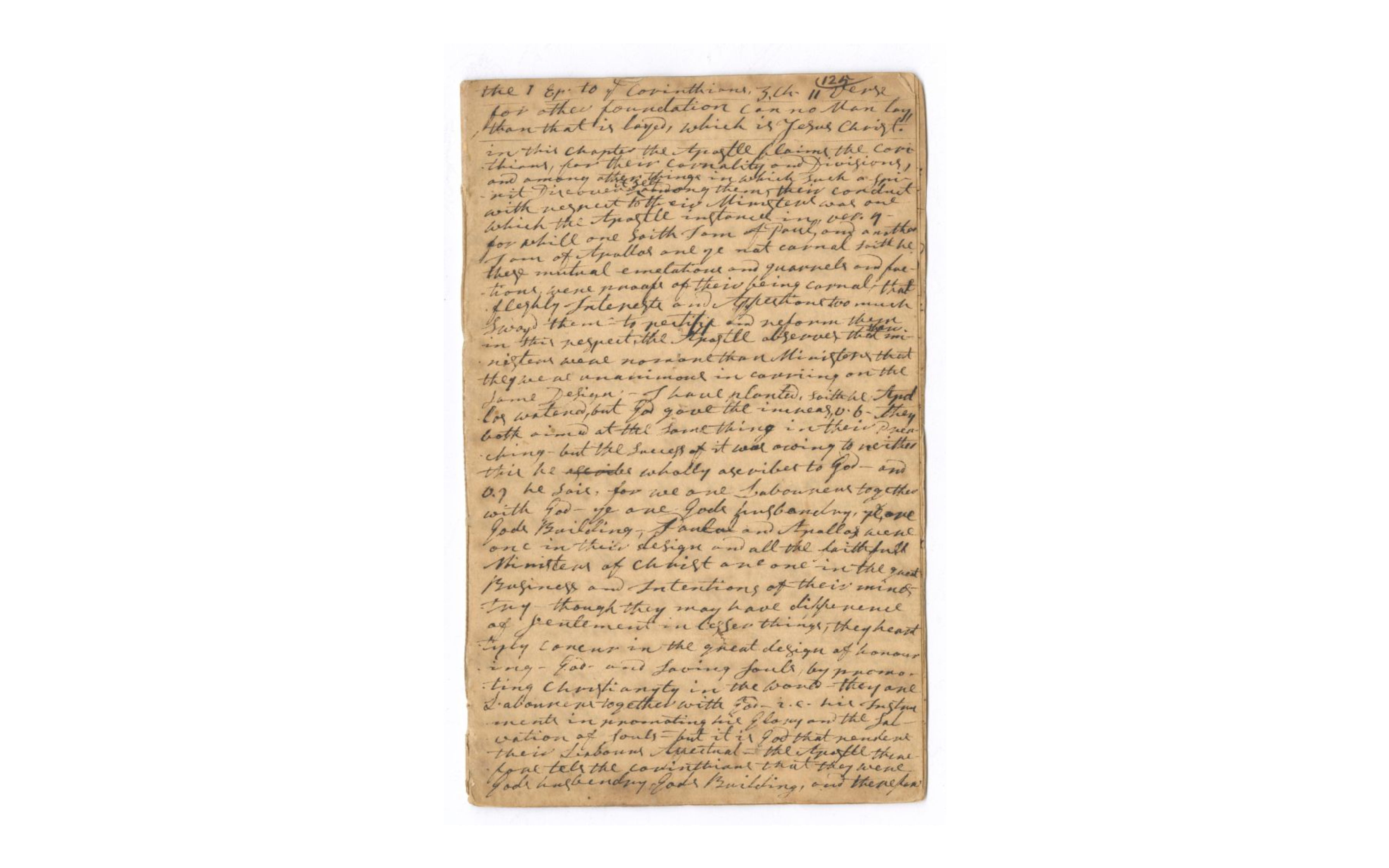
October 1 – Lori Roger-Stokes presented key arguments from her book, Gathered Into a Church: Indigenous-English Congregationalism in Woodland New England and the project out of the Congregational Library, New England’s Hidden Histories.
Most striking in both projects was the breadth of the library’s collection. Roger-Stokes showcases this in her own book through an examination of early American Congregational records. (I have not read the text yet, although I did take advantage of the discount offered to webinar attendees.) According to Roger-Stokes, this included the participation of Black and Indigenous congregants going back to before King Philip’s War.
Further reading:
Gathered Into a Church: Indigenous-English Congregationalism in Woodland New England
A resource worth bookmarking: Black & Indigenous Research Guide, Congregational Library
news…
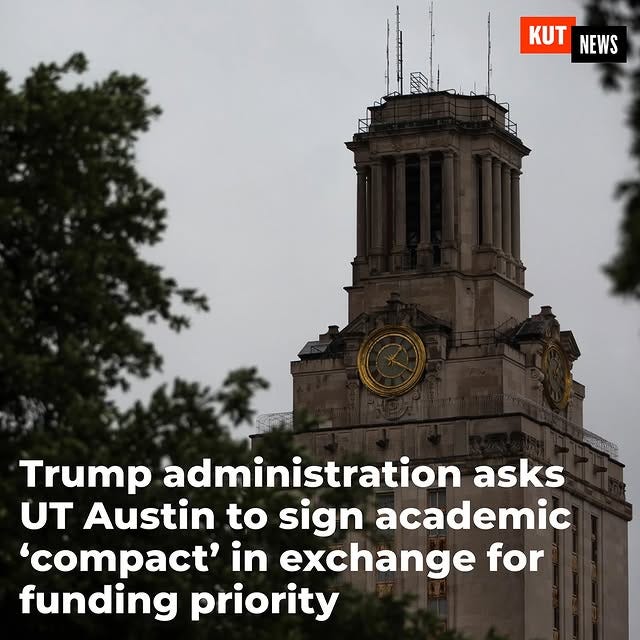
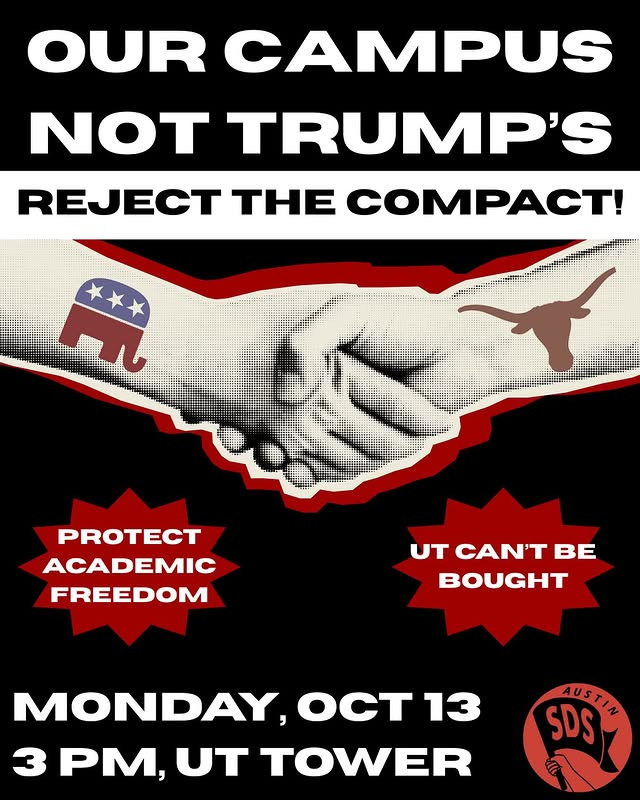
KUT: “UT Austin among nine universities asked to sign new ‘compact’ by Trump White House”
The Daily Texan: “UT System to review proposal from Trump Administration”